

When someone is ready to get help for alcohol, drugs, gambling, or compulsive behaviours, the public system can feel slow and hard to navigate. This guide maps practical Addiction Therapist Sydney options outside the public system, so they can understand what’s available, what it costs, and how to choose safely.
Many people also want clarity on how therapy fits alongside medical care, sleep support, respiratory care, or other health tech they already use at home. The goal here is simple, reader-friendly information that supports better decisions, sooner.
What does “outside the public system” actually mean in Sydney?
Outside the public system usually means private providers, community-based non-government organisations (NGOs), and self-funded programmes. It can also include employer-funded counselling, private hospital programmes, and telehealth providers.
For someone searching Addiction Therapist Sydney support, this typically means they can access appointments faster, choose a specific clinician, and tailor treatment length. It also means they will likely pay out of pocket, claim a rebate, or use private health cover where eligible.
Who should consider an Addiction Therapist Sydney provider rather than waiting?

They should consider private or NGO pathways if risk is rising, relapse is frequent, or they cannot wait weeks for an intake. Earlier support often prevents medical crises, job loss, or relationship breakdown.
An Addiction Therapist Sydney option can also be a better fit if they want a particular approach like trauma-informed therapy, family work, or relapse prevention planning. People managing other health conditions may prefer flexible sessions that work around specialist appointments and home routines.”
What types of Addiction Therapist Sydney services exist in private care?
Private care ranges from solo clinicians to multidisciplinary clinics. They may offer assessment, weekly therapy, intensive outpatient programmes, couples counselling, and family sessions.
Common professionals include counsellors specialising in addiction, psychologists, psychotherapists, social workers, and sometimes psychiatrists for complex dual diagnosis. When someone searches Addiction Therapist Sydney, they should check whether the provider offers both substance and behavioural addiction support, since not all do.
Which therapy approaches are most common, and how do they help?
Most providers use a mix of evidence-based approaches. Cognitive Behavioural Therapy supports skills for cravings, triggers, and unhelpful thinking. Motivational Interviewing helps strengthen readiness and commitment without judgement.
Other approaches include Acceptance and Commitment Therapy, Dialectical Behaviour Therapy for emotional regulation, trauma-informed therapy, and relapse prevention planning. A good Addiction Therapist Sydney provider should explain their approach in plain language and how it matches the person’s goals, not just their diagnosis.
How can they find an Addiction Therapist Sydney provider with the right qualifications?
They should look for clear registration or membership details, plus a scope of practice that matches the issue. Psychologists are usually registered with AHPRA and may offer Medicare rebates with a Mental Health Treatment Plan. Counsellors may be members of PACFA or ACA, with varying rebate options.
If medication management is needed, a GP and psychiatrist may be involved alongside an Addiction Therapist Sydney clinician. They should also check experience with co-occurring anxiety, depression, ADHD, trauma, or chronic pain, because these often affect relapse risk.
What should they ask in a first call or enquiry email?
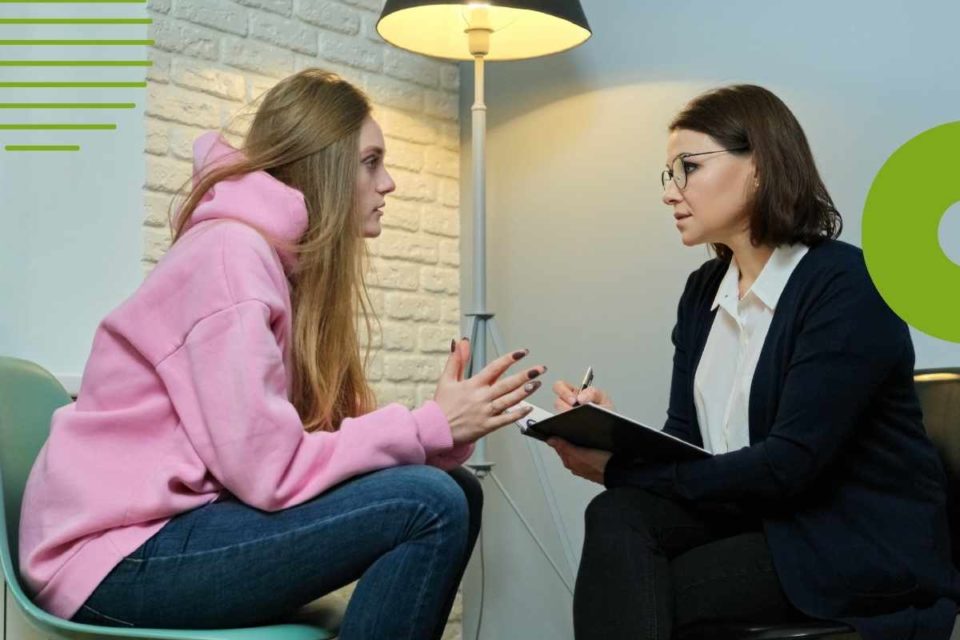
They can keep it simple and direct. Ask what they treat most often, what a typical plan looks like, and how progress is measured. Ask fees, cancellation policies, and whether telehealth is available.
They should also ask how the clinician handles relapse, after-hours crises, and referrals to detox or medical support if needed. An Addiction Therapist Sydney service that welcomes these questions usually communicates more safely and clearly.
How much do Addiction Therapist Sydney services cost, and what rebates might apply?
Fees vary widely. Private counselling can be around £120 to £250 per session, and psychologists can be higher, depending on location and expertise. Group programmes or structured outpatient programmes may bundle costs into weekly rates.
Medicare rebates may apply for registered psychologists with a GP plan, but gaps are common. Private health extras may contribute for some counselling services, depending on the insurer and the clinician’s credentials. When comparing an Addiction Therapist Sydney provider, the true cost is the gap plus the number of sessions realistically needed.
What are the safest alternatives to inpatient rehab?
Not everyone needs residential treatment. Many people do well with an intensive outpatient programme, regular therapy, group support, and a strong relapse prevention plan. This can suit those who must keep working or caring responsibilities.
Some private clinics coordinate medical review, therapy, and case support without a hospital stay. For Addiction Therapist Sydney pathways, this can be a middle ground between weekly sessions and full rehab, with more structure but less disruption.
How do private detox and withdrawal supports fit into therapy?
Detox is medical management of withdrawal, not the full treatment. Therapy is where behaviour change, coping strategies, and recovery planning happen. Some people do detox first, then begin or intensify therapy straight away.
If someone is using alcohol heavily, benzodiazepines, or opioids, withdrawal can be risky. A reputable Addiction Therapist Sydney provider should advise medical review and coordinate with a GP or withdrawal service rather than trying to manage risky withdrawal through counselling alone.
How can family and partners be involved without making it worse?
Family involvement can help, but only if boundaries and safety are clear. Many clinicians offer family sessions focused on communication, enabling patterns, and practical support plans.
Partners may also need their own support, especially if trust has been damaged. An Addiction Therapist Sydney clinician who works with families should be comfortable discussing safety, finances, and household routines in a structured way, rather than letting sessions become blame-focused arguments.
What if they also have sleep problems, anxiety, or breathing issues?

Sleep disruption is common in early recovery and can increase relapse risk. Anxiety and panic symptoms can spike once substances are removed. Some people also have respiratory conditions where alcohol, smoking, or sedatives make breathing and sleep worse.
A good Addiction Therapist Sydney pathway often includes coordination with a GP, sleep clinician, or respiratory specialist when needed. Practical routines matter here, including stable sleep timing, reduced stimulants, and device adherence for anyone using CPAP or other home supports.
How can they tell if an Addiction Therapist Sydney provider is a poor fit?
Warning signs include guaranteed outcomes, pressure to buy expensive packages immediately, or vague answers about qualifications and complaints processes. Another red flag is a one-size-fits-all approach that ignores mental health, trauma history, or medical risks.
They should also be cautious if the provider discourages coordination with a GP or refuses to discuss safety planning. The right Addiction Therapist Sydney support should feel structured, respectful, and transparent about limits.
What role do peer groups and community programmes play alongside therapy?
Peer support can reduce isolation and provide practical strategies from people with lived experience. Options may include SMART Recovery, 12-step programmes, culturally specific groups, and NGO-run education and counselling.
Many people use peer groups alongside an Addiction Therapist Sydney clinician, not instead of one. Therapy can help them apply peer learning to their specific triggers, relationships, and work pressures, and keep progress steady when motivation dips.
How can they start today if they feel stuck?
They can begin with three steps: book a GP appointment for a general health check and referrals, shortlist two or three private providers, and choose the fastest safe option for an initial assessment. If risk is high, they should prioritise urgent support and medical advice.
For someone searching Addiction Therapist Sydney help, momentum matters more than the perfect plan. They can start with one appointment, ask clear questions, and adjust as they learn what works.
What’s the simplest way to choose between providers?
They should compare fit, availability, and coordination. Fit means the clinician understands their substance or behaviour pattern and can explain a plan. Availability means they can be seen soon enough to matter. Coordination means the provider will work alongside medical care when needed.
If two options seem equal, they can choose the one that offers clearer goals, written next steps, and an approach that matches the person’s preferences. For most people, the best Addiction Therapist Sydney option is the one they can actually engage with consistently.
FAQs (Frequently Asked Questions)
What does ‘outside the public system’ mean when seeking Addiction Therapist Sydney services?
Outside the public system in Sydney refers to private providers, community-based NGOs, self-funded programmes, employer-funded counselling, private hospital programmes, and telehealth providers. These options typically offer faster appointments, choice of clinician, tailored treatment lengths, and may involve out-of-pocket payments or private health cover claims.
Who should consider private or NGO Addiction Therapist Sydney options instead of waiting for public services?
Individuals facing rising risk, frequent relapse, or those unable to wait weeks for intake should consider private or NGO pathways. Early support can prevent medical crises, job loss, or relationship breakdown. Private options also suit those seeking specific approaches like trauma-informed therapy, family work, or relapse prevention planning and those managing other health conditions needing flexible sessions.
What types of Addiction Therapist Sydney services are available in private care?
Private care includes solo clinicians and multidisciplinary clinics offering assessments, weekly therapy, intensive outpatient programmes, couples counselling, and family sessions. Professionals may include addiction counsellors, psychologists, psychotherapists, social workers, and psychiatrists for complex dual diagnoses. It’s important to verify if both substance and behavioural addiction supports are offered.
Which therapy approaches are commonly used by Addiction Therapist Sydney providers and how do they help?
Common evidence-based approaches include Cognitive Behavioural Therapy (CBT) for managing cravings and triggers; Motivational Interviewing to enhance readiness without judgement; Acceptance and Commitment Therapy; Dialectical Behaviour Therapy for emotional regulation; trauma-informed therapy; and relapse prevention planning. Providers should clearly explain their approach in plain language aligned with personal goals.
How can someone find an Addiction Therapist Sydney provider with the right qualifications?
Look for clear registration or membership details matching your needs. Psychologists are registered with AHPRA and may offer Medicare rebates via a Mental Health Treatment Plan. Counsellors might be members of PACFA or ACA with varying rebate options. If medication management is needed, coordination with a GP and psychiatrist is essential. Also check experience with co-occurring conditions like anxiety or trauma affecting relapse risk.
What questions should be asked during the first call or enquiry with an Addiction Therapist Sydney provider?
Ask about the issues they treat most often, typical treatment plans, progress measurement methods, fees, cancellation policies, and telehealth availability. Inquire how they handle relapse situations, after-hours crises, and referrals to detox or medical support. Providers welcoming these questions tend to communicate more safely and clearly.