

Booking SMILE eye surgery Sydney consultations can feel exciting, but it also comes with a lot of fine print. The smartest move is to treat the consult like an interview, so they leave with clear answers about suitability, safety, costs, and recovery in an Australian context.
The questions below help them compare clinics, understand risks, and avoid surprises after they commit to SMILE eye surgery Sydney consultations.
What exactly is SMILE, and how is it different from LASIK and PRK?
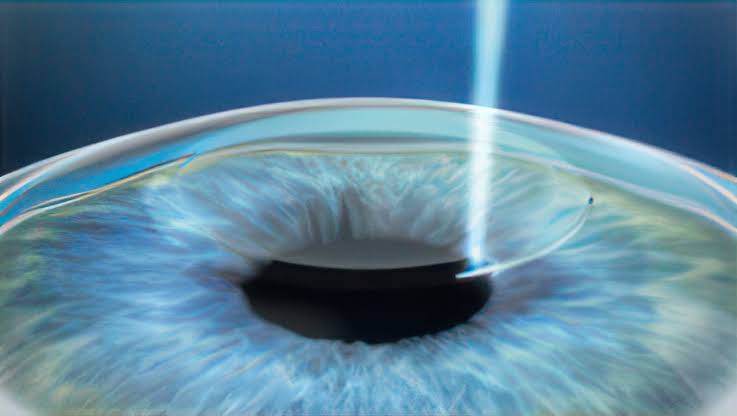
SMILE is a keyhole laser procedure that reshapes the cornea by removing a small lenticule through a tiny incision. Compared with LASIK, it usually avoids creating a large corneal flap, which can matter for some lifestyles and eye profiles.
They should ask the surgeon to explain why SMILE is recommended over LASIK or PRK for their prescription, corneal thickness, and dryness risk, using their scans from the consult.
Am they actually a suitable candidate for SMILE?
Suitability depends on prescription range, corneal shape, thickness, and overall eye health. Even if they “qualify” on paper, stability of prescription and dry eye status can change the recommendation.
During SMILE eye surgery Sydney consultations, they should ask what could make them ineligible today, and what could change that in 6 to 12 months, such as stabilising refraction or treating dryness first.
What tests will the clinic run, and what do the results mean?
A quality consult should include corneal topography or tomography, pachymetry, tear film assessment, pupil measurement, and a detailed ocular health check. These tests aim to reduce risks like ectasia and poor night vision outcomes.
They should ask for a plain-English explanation of their maps and metrics, and whether any result sits near a “borderline” zone that changes the risk profile.
Who will perform the surgery, and how experienced are they with SMILE in Sydney?
Outcomes depend heavily on the surgeon’s training, judgement, and consistency with technique. They should confirm the name of the surgeon who will operate, not just who is meeting them at the consult.
In SMILE eye surgery Sydney consultations, they can ask how many SMILE procedures the surgeon performs per month, how long they have been doing SMILE specifically, and what complication rates they track in their own practice.
What results can they realistically expect for their prescription?
Most people aim for reduced dependence on glasses or contacts, but “perfect vision” is never guaranteed. Their starting prescription, astigmatism, and corneal shape influence how close they may get to 20/20 and how stable it remains.
They should ask what percentage of similar patients achieve driving-standard vision unaided, how often enhancement is needed, and what their personal likelihood is based on the clinic’s data.
What are the risks and side effects they should know about?
All laser eye surgery has risks, even when performed carefully. Common concerns include dry eye symptoms, glare or halos at night, under or over-correction, infection, inflammation, and slower visual recovery in some cases.
They should ask the surgeon to separate “common and temporary” from “rare but serious,” and to explain how those risks apply to their eyes, not just a generic consent form.
How will dry eye be assessed and managed before and after surgery?
Dryness is one of the most common reasons people feel unhappy early on, even if their vision measures well. Australia’s climate, air-conditioning, screen-heavy work, and contact lens history can all contribute.
During SMILE eye surgery Sydney consultations, they should ask for a dry eye work-up, what treatment is recommended before surgery, and what the post-op plan looks like, including drops schedule and follow-up timing.
What happens if they need an enhancement or the result regresses?
Some people need a tweak to sharpen the outcome, especially if healing response varies. Because SMILE uses a small incision rather than a LASIK flap, the enhancement approach may differ depending on the case.
They should ask what enhancement options the clinic uses, when it is considered, whether it is done by the same surgeon, and whether it is included in the original fee.
What does recovery look like in the first week, and how soon can they return to work?
Recovery is usually quick, but it is still surgery and they will need downtime. Many people can return to office work within days, but they may have fluctuating vision, dryness, and light sensitivity early on.
In SMILE eye surgery Sydney consultations, they should ask for a day-by-day recovery outline, plus realistic guidance for their job, whether that includes tradie work, night driving, or long hours on screens.
When can they drive, exercise, swim, or wear eye makeup again?
Restrictions vary by clinic, but the goal is to prevent infection, trauma, and irritation while the eye heals. Swimming pools and beaches around Sydney can be a risk zone early on due to water exposure.
They should ask for specific timeframes for driving clearance, gym sessions, contact sports, ocean swims, and makeup, and whether protective eyewear is recommended for their routine.
What follow-up schedule is included, and who handles after-hours issues?
Good follow-up is part of safe care, not an optional extra. They should know exactly how many post-op visits are included and who they will see at those appointments.
During SMILE eye surgery Sydney consultations, they should ask what happens if they experience pain, sudden blur, discharge, or light sensitivity at night or on weekends, and which Sydney-based contact pathway they should use.
What is the total cost in Sydney, and what is actually included in the quote?
Pricing can differ widely between Sydney clinics based on surgeon experience, technology, inclusions, and follow-up care. A low headline figure may not include key items like medications, enhancements, or extra visits.
They should ask for a written quote listing inclusions, exclusions, payment timing, and refund terms. They can also ask whether private health insurance affects anything, noting that laser vision correction is commonly treated as an elective procedure in Australia.
What technology is used, and how current is it?
Not all lasers, diagnostic tools, and planning software are the same. The clinic’s ability to measure the cornea accurately and plan treatment precisely matters as much as the laser itself.
In SMILE eye surgery Sydney consultations, they should ask what SMILE platform is used, how often it is serviced and calibrated, and whether the clinic uses modern corneal imaging to screen for irregularities.
How does the clinic handle safety, sterility, and quality control?
They should feel confident that infection control and surgical protocols are strict and routine. Australian patients can ask about the clinic’s accreditation, sterilisation workflow, and how they document adverse events.
They should also ask how often the surgeon cancels or postpones surgery due to borderline scans or dryness, because a clinic that is willing to say “not today” often signals strong safety culture.
Are they prepared for night driving, glare, and halos in real Sydney conditions?
Night driving in Sydney can involve reflective road signs, wet roads, and bright oncoming headlights. Some people notice halos or glare early on, and most improve over time, but they should understand their personal risk.
During SMILE eye surgery Sydney consultations, they can ask how pupil size and prescription affect night symptoms, what the typical timeline is for improvement, and what support exists if symptoms persist.
What should they stop doing before surgery, like contact lenses or certain medications?
Contact lenses can temporarily change corneal shape, which can affect measurements and treatment planning. Some medications and supplements may influence dryness or healing, depending on the individual.
They should ask exactly when to stop soft lenses versus rigid lenses, what to do if they cannot function without contacts, and whether they should disclose any regular medicines, including acne treatments or allergy meds.

What alternatives should they consider if SMILE is not ideal?
If SMILE is not the best fit, the clinic should be able to explain alternatives without pressure. Depending on their eyes, options might include LASIK, PRK, or implantable collamer lenses, all of which are offered in Australia.
A useful question in SMILE eye surgery Sydney consultations is: “If these were the surgeon’s eyes, what would they choose and why?” The reasoning often reveals whether the recommendation is truly tailored.
How can they compare Sydney clinics without getting overwhelmed?
They can compare on three things: surgeon accountability, diagnostic thoroughness, and transparency on costs and aftercare. Reviews help, but the consult experience and the clarity of answers matter more than marketing.
They should book SMILE eye surgery Sydney consultations with at least two providers, take notes, and request written summaries. If any clinic avoids direct answers, rushes consent, or won’t explain risks in plain language, that is a useful signal to keep looking.
What should they bring to the consultation to get the best advice?
They should bring their current glasses and contact lens prescription, a list of medications, and details about work and hobbies. Lifestyle affects recommendations, especially for people who do contact sport, shift work, or lots of night driving.
For SMILE eye surgery Sydney consultations, they should also bring their questions in writing, plus a friend or family member if they tend to forget details under pressure.
What are the best final questions to ask before they book?
They should finish the consult knowing the “why,” not just the “what.” The best final questions confirm confidence, safety, and what happens if things do not go to plan.
Before they proceed from SMILE eye surgery Sydney consultations to a booking, they can ask: What is the single biggest risk factor in their case? What would make the surgeon advise against surgery? And what support is available if they are not happy at three months?
Conclusion: what should they do next after the consultation?
They should take 24 to 72 hours to review the answers, re-check inclusions in the quote, and compare surgeon recommendations. If anything feels unclear, they should ask for clarification in writing before paying a deposit.
When they choose a clinic, SMILE eye surgery Sydney consultations should leave them feeling informed, not sold to, with a plan that fits their eyes, their work, and their life in Australia.
SMILE (Small Incision Lenticule Extraction) is a minimally invasive laser procedure that reshapes the cornea by removing a small lenticule through a tiny incision, usually avoiding the creation of a large corneal flap seen in LASIK. Unlike PRK, which removes the surface layer of the cornea, SMILE offers faster recovery and less risk of flap complications. During your SMILE eye surgery Sydney consultation, ask your surgeon why SMILE is recommended over other procedures for your specific prescription and eye profile.
Suitability for SMILE depends on factors such as your prescription range, corneal shape and thickness, overall eye health, stability of your vision prescription, and dry eye status. Even if you meet general criteria on paper, these factors can influence eligibility. Your surgeon will assess these during the consultation and explain any reasons you might be ineligible now or what could change in 6 to 12 months to improve suitability.
A comprehensive SMILE consultation includes tests like corneal topography or tomography to map corneal shape, pachymetry to measure thickness, tear film assessment for dry eyes, pupil measurement, and detailed ocular health checks. These tests help identify risks such as ectasia or poor night vision outcomes. Your surgeon should provide clear explanations of these results and highlight any borderline findings affecting your risk profile.
The success of your SMILE procedure heavily depends on the surgeon’s expertise. Confirm the name of the surgeon who will perform your operation—not just who conducts the consultation. During your consultation, inquire about their experience with SMILE specifically: how many procedures they perform monthly, how long they’ve been practicing SMILE, and their complication rates based on their own practice data.
While many patients achieve significant reduction in dependence on glasses or contacts after SMILE, perfect vision is not guaranteed. Factors like your initial prescription strength, presence of astigmatism, and corneal shape influence results. Ask your surgeon about the percentage of similar patients reaching driving-standard vision unaided, frequency of enhancements needed, and what outcome you can personally expect based on clinic data.
All laser eye surgeries carry risks including dry eye symptoms, glare or halos at night, under or over-correction of vision, infection, inflammation, and occasionally slower visual recovery. Your surgeon should clearly distinguish between common temporary effects and rare serious complications during your consultation and explain how these risks specifically relate to your eyes rather than providing generic information.