
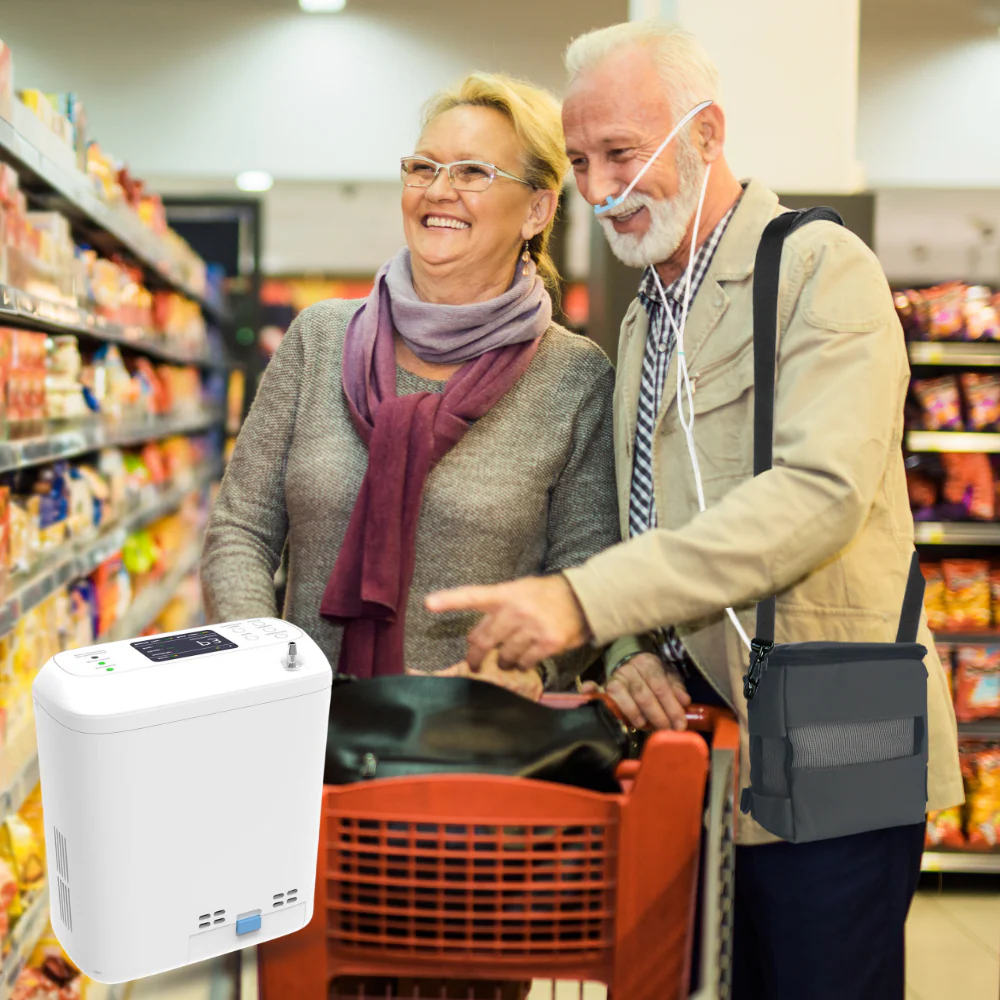
This guide is written for patients and carers who want clear, practical checks before they commit. It focuses on what matters at home, on the road, and in conversations with an Australian GP, respiratory physician, or oxygen supplier.
What is an oxygen concentrator and who is it for?
An oxygen concentrator is a machine that takes in room air and delivers concentrated oxygen through tubing and usually a nasal cannula. It is used when a clinician has confirmed low oxygen levels and prescribed oxygen therapy.
They are most commonly used in Australian homes for long-term oxygen therapy, short-term recovery, or palliative support, with settings guided by a prescription and ongoing monitoring.
Do they need a prescription before buying an oxygen concentrator in Australia?
Yes, they should treat an oxygen concentrator as prescription-guided equipment, even if a retailer will sell one without sighting paperwork. Oxygen is a medication and incorrect flow settings can be harmful, especially for people at risk of CO₂ retention.
Before purchase, they should ask their clinician for target oxygen saturation ranges, the prescribed flow rate at rest and exertion, and whether overnight use is required.
What flow rate and oxygen output should they check first?
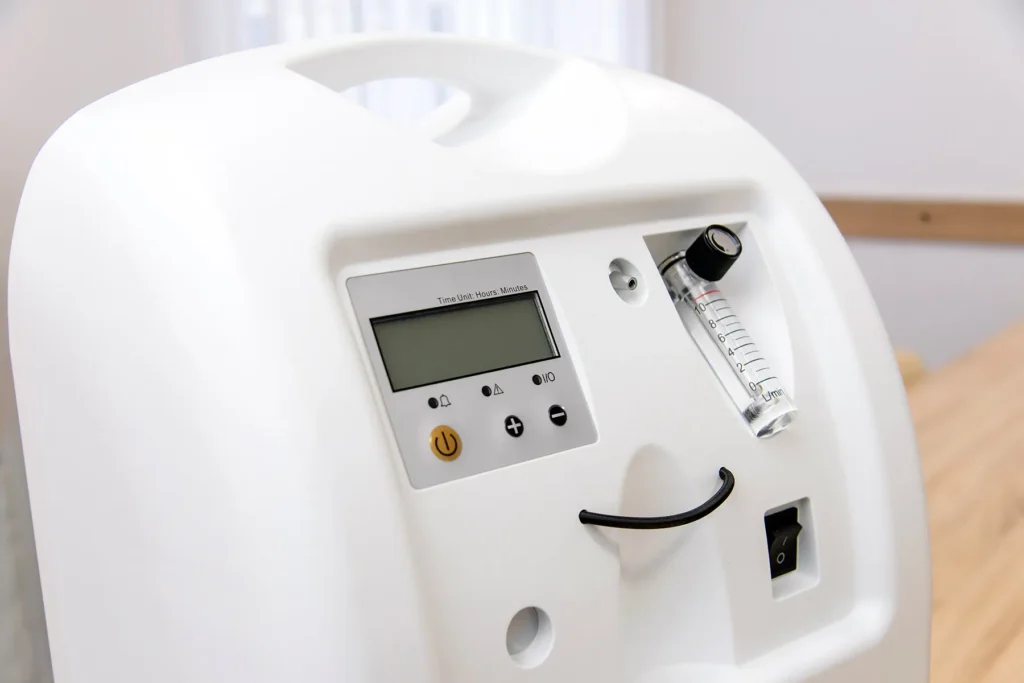
They should start with the prescribed litres per minute and whether it must be continuous flow or can be pulse dose. Many stationary units provide continuous flow up to 5 L/min, while some models go higher, and many portable units rely on pulse settings that are not a direct L/min equivalent.
They should also check the device’s stated oxygen concentration across the full range, not just at one setting, because performance can drop at higher flows.
Should they choose continuous flow or pulse dose?
They should choose based on how the oxygen is prescribed and when it is needed. Continuous flow is often required for sleep, for some lung diseases, and for anyone who cannot reliably trigger pulse delivery.
Pulse dose can suit some mobile users, but they should confirm with a clinician and ideally test the device while walking, because breath pattern, mouth breathing, and exertion can affect triggering and oxygenation.
How do they know if a portable oxygen concentrator will meet their needs?
A portable oxygen concentrator is only “portable” if it fits the way they actually live. They should look past marketing terms and confirm total weight, how it is carried, battery duration at their likely settings, and recharge time.
They should also confirm whether the unit offers continuous flow if they need it, because many portable devices do not, which can be a deal breaker for overnight or certain prescriptions.
What battery life and charging setup should they plan for?
They should plan around real use, not best case estimates. Battery life often shortens at higher settings and in colder conditions, and it matters whether they will be away from power for two hours or eight.
They should check if the oxygen concentrator can be charged via mains and 12V car charging in Australia, whether spare batteries are available locally, and how much each replacement battery costs.
How noisy is an oxygen concentrator in a normal home?
Noise can affect sleep quality, phone conversations, and everyday stress, particularly in smaller Australian homes or apartments. They should check the decibel rating and look for reviews that mention overnight use, as even a small difference in noise levels can feel significant during the early hours. Exploring quiet home equipment solutions Australia can help buyers choose products that better suit their living environment.
They should also consider vibration, fan noise, and whether the device can be placed in a ventilated position without creating a trip hazard from tubing.
How much power does it use and will it suit their home setup?
They should check the wattage and whether the unit requires a dedicated circuit. While most homes can run a concentrator safely, power boards, long extension leads, and shared circuits can be risky if overloaded.
They should ask the supplier about surge protection and what happens after a power outage. If they live rurally or experience blackouts, they may need a backup plan that does not rely on mains power.
What filters and maintenance tasks will they realistically keep up with?
Every oxygen concentrator needs routine cleaning to keep airflow clear and oxygen output stable. They should confirm which filters are user washable, which are replaceable, and the schedule for each.
They should also consider how often the unit requires servicing, who can perform maintenance in their state or territory, and whether the supplier offers helpful reminders. Choosing a device with simple upkeep requirements can improve reliability and encourage safer, more consistent use. Following medical equipment maintenance tips can help users protect their investment and maintain performance over time.
What alarms and safety features are non-negotiable?
They should look for clear alarms for power failure, low oxygen purity, no flow, overheating, and general faults. These features are not just technical extras; they are what protects a vulnerable person when something changes unexpectedly.
They should also confirm basic safety guidance: keep the unit ventilated, avoid open flames, do not smoke near oxygen, and follow the supplier’s instructions for tubing length and placement.
What accessories should they budget for upfront?
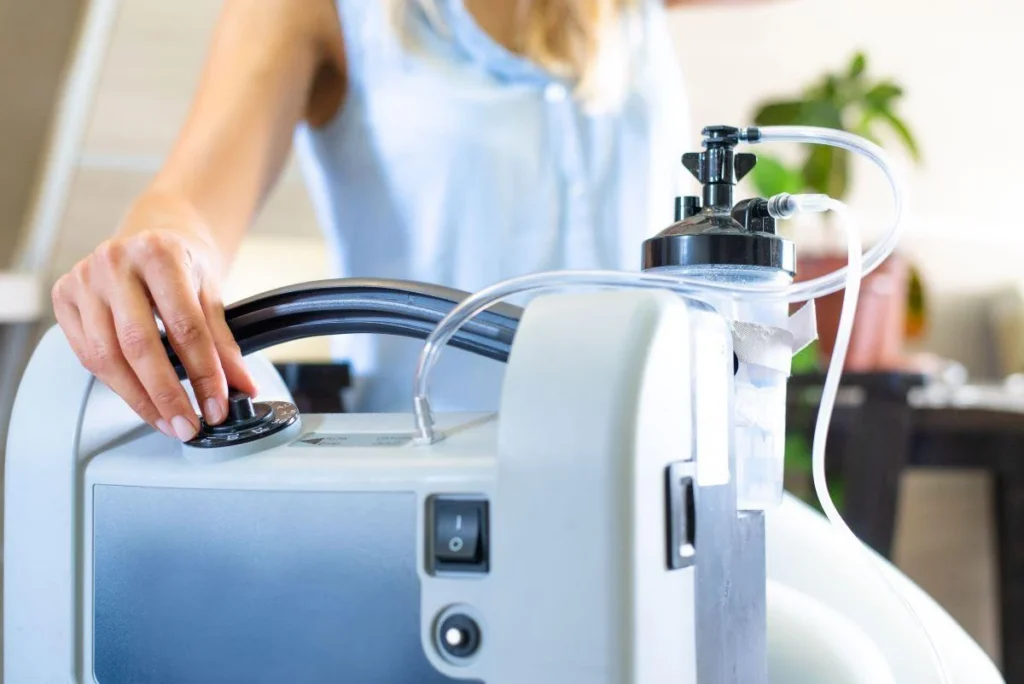
The base price rarely reflects the full setup. They may also need nasal cannulas in multiple sizes, longer tubing, a humidifier bottle if prescribed for dryness, spare filters, a carrying bag or trolley, and extra batteries for travel.
They should ask the supplier what is included and what is ongoing. For a patient using an oxygen concentrator daily, small consumables add up over months.
How can they check quality, compliance, and local support?
They should prioritise reputable suppliers with Australian support, clear warranty terms, and accessible spare parts. They can ask whether the device meets relevant safety standards and whether the supplier provides written operating guidance suitable for patients and carers.
They should also check the warranty length, what it covers, and turnaround times for repair. A strong local support pathway can matter more than a small upfront saving.
Should they rent or buy an oxygen concentrator?
Renting can make sense for short-term needs, such as recovery after pneumonia, post-surgery deconditioning, or a trial period while a clinician confirms long-term requirements. Buying can be more cost-effective for long-term oxygen therapy, especially if they will use it daily.
They should ask the clinician how long oxygen is likely to be required, then compare rental costs over six to twelve months against a purchase with servicing included.
What questions should they ask their clinician before purchase?
They should confirm diagnosis based targets and a plan for reassessment. Useful questions include: what saturations should they aim for at rest, walking, and overnight; when should they increase flow; and when should they call for help?
They should also ask whether they need a sleep study or overnight oximetry, whether a humidifier is recommended, and how to manage breathlessness safely alongside the oxygen concentrator.
What should they test when the oxygen concentrator arrives at home?
They should ask for a demonstration and a written quick start guide. They should practise turning it on, adjusting prescribed settings, checking alarms, cleaning filters, and packing it if it is portable.
If they use a finger pulse oximeter, they can record baseline readings and compare them during rest and a short walk, then report any unexpected results to their clinician rather than self-adjusting beyond the prescribed plan.
What are common mistakes people make when buying?
A common mistake is selecting a portable unit that does not provide the prescribed oxygen delivery requirements, especially for sleep use or higher continuous flow needs. Another issue is overlooking factors such as device weight, battery performance, and portability, which may reduce mobility and make regular use more difficult. Understanding choosing the right oxygen concentrator for patients can help individuals and carers select a device that better matches their lifestyle and clinical requirements.
They also may skip support checks. If the oxygen concentrator fails, rapid access to loan equipment and local servicing in Australia can be the difference between coping at home and needing urgent care.
What is the simplest checklist to use before they buy?
They should match the device to the prescription first, then lifestyle second, then budget third. The key checks are: correct flow type, reliable oxygen concentration at required settings, battery plan if portable, noise level, power needs, alarms, servicing pathway, and total cost with accessories.
If they work through that list, they are far more likely to end up with an oxygen concentrator that is safe, usable, and sustainable for daily life.