
This guide is written for patients and carers weighing treatment and recovery options, with a practical focus on how home oxygen is prescribed, used, monitored, and paid for in Australian settings.
What is a home oxygen concentrator?
A home oxygen concentrator is a medical device that draws in room air, filters out nitrogen, and delivers oxygen-enriched air through tubing to the patient. It is typically used for long-term oxygen therapy or short-term support during recovery, based on a clinician’s assessment.
Most home units are designed for indoor use and plug into mains power, with safety features and alarms for common faults.
Who in Australia is usually prescribed home oxygen?
Home oxygen is generally prescribed for patients with documented low blood oxygen levels, not just the sensation of breathlessness. In Australia, clinicians commonly consider oxygen therapy for conditions like COPD, interstitial lung disease, bronchiectasis, pulmonary hypertension, and some advanced cardiac conditions.
They usually confirm eligibility with objective testing such as arterial blood gases or supervised oximetry, sometimes including exertional or overnight assessments.
How do clinicians decide whether oxygen is actually needed?
Clinicians aim to determine whether oxygen therapy is likely to improve health outcomes rather than using it only because symptoms feel concerning. They consider oxygen saturation patterns, the underlying condition, overall stability, and whether low oxygen levels continue after other treatments have been optimised, such as inhalers, diuretics, pulmonary rehabilitation, or CPAP. Understanding oxygen therapy assessment Australia can help patients better appreciate the importance of personalised medical guidance.
They also consider whether oxygen is needed at rest, during activity, at night, or in all three settings.
What’s the difference between a concentrator, cylinders, and portable oxygen?
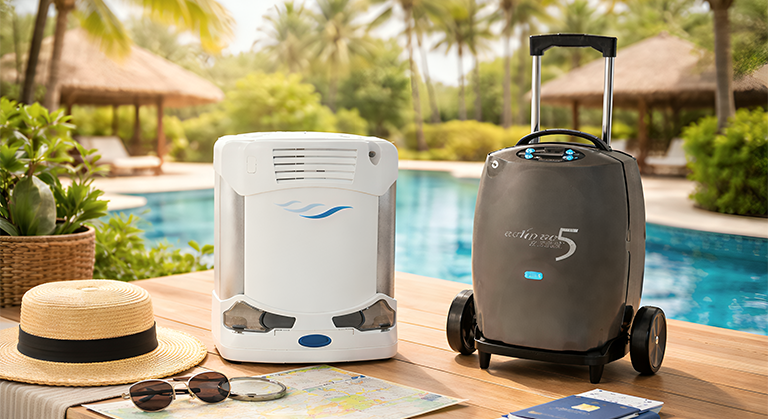
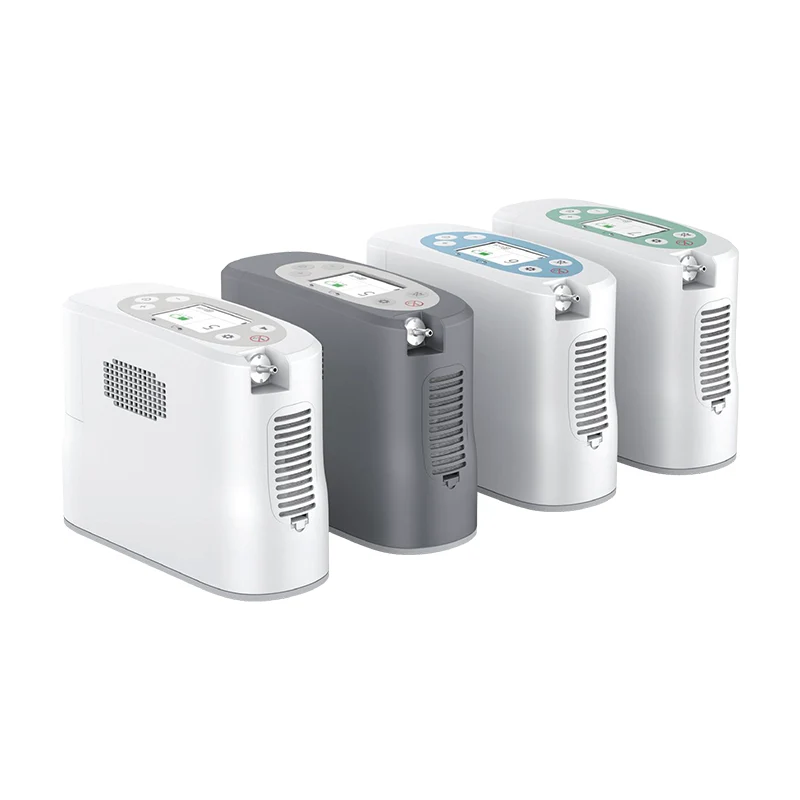
A home oxygen concentrator generates oxygen continuously from room air, whereas cylinders store oxygen under pressure and run out. Portable oxygen concentrators are smaller, battery-powered devices intended for mobility, though not all provide continuous flow and not all suit every prescription.
In many Australian care plans, a stationary concentrator covers the home, and a separate portable option or cylinder is arranged for outings if clinically required.
What conditions can a home oxygen concentrator help with during recovery?
A home oxygen concentrator may be considered when oxygen levels remain low after an acute illness, surgery, or a flare-up of chronic lung disease. It may also support comfort-focused care in palliative settings when reducing hypoxaemia-related distress is an appropriate goal. Exploring home respiratory care equipment can help patients and families understand available support options alongside professional medical advice.
Importantly, oxygen is one tool among many, and recovery plans still prioritise airway clearance, graded activity, nutrition, vaccinations, and medication adherence.
How is oxygen flow measured and set at home?
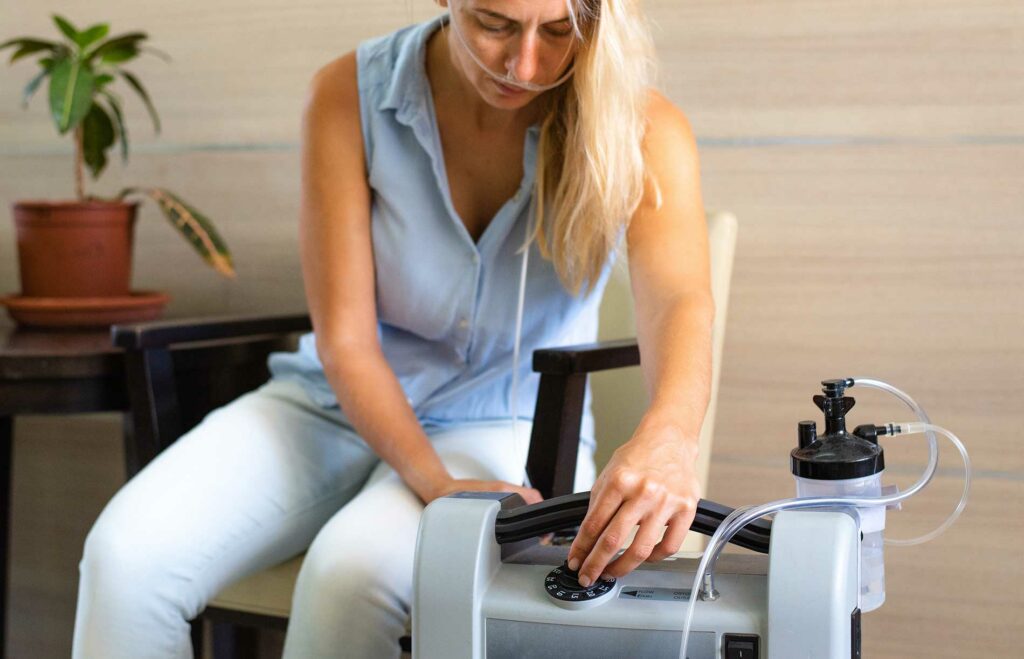
Oxygen is prescribed in litres per minute, often written as a fixed flow rate for rest and a different rate for exertion or sleep. A clinician or respiratory service sets the rate based on testing, then checks it is achieving the intended oxygen saturation range.
Patients and carers should avoid changing the flow rate unless the treating team has provided clear instructions for specific scenarios.
What should patients and carers expect during setup and training?
When a home oxygen concentrator is delivered, the supplier or clinical service typically explains how to switch it on, connect tubing, position the cannula, and interpret alarms. They also cover basic cleaning, filter checks, and safe storage of tubing to reduce trip hazards.
Carers often benefit from practising fit and removal of cannulae and learning how to spot dryness, pressure areas, or signs the patient is not tolerating therapy.
How is progress monitored once oxygen therapy starts?
Monitoring usually includes symptom review, pulse oximetry checks when advised, and follow-up with the GP, respiratory physician, or hospital outreach service. Clinicians may repeat testing after recovery from an acute event to confirm whether oxygen is still required.
If oxygen is no longer indicated, they may arrange a supervised wean and equipment removal to avoid unnecessary treatment and costs.
What are the risks or side effects patients should watch for?
Common issues include nasal dryness, nosebleeds, skin irritation from tubing, and discomfort from cannula fit. Some patients may feel socially self-conscious, which can reduce adherence unless addressed with practical planning.
More serious risks relate to incorrect use, including worsening carbon dioxide retention in a small subset of patients with chronic ventilatory failure, which is why prescriptions and follow-up matter.
What safety rules matter most in an Australian home?
Oxygen increases fire risk because it helps materials ignite and burn more easily, even though oxygen itself is not flammable. Patients using a home oxygen concentrator should keep it away from open flames, heaters, and smoking, and follow the supplier’s distance recommendations.
They should also avoid petroleum-based creams near the face, manage tubing to prevent falls, and notify their electricity provider if they rely on oxygen and may need priority restoration planning.
How do power outages and travel get managed?
Because a home oxygen concentrator needs electricity, patients should ask the supplier about contingency planning, which may include a backup cylinder for emergencies. In bushfire season or storm-prone areas, carers may need a clear plan for evacuation routes, spare cannulae, and contact numbers.
For travel within Australia, planning usually includes confirming oxygen arrangements with airlines, accommodation, and suppliers well ahead, as rules vary and last-minute access can be difficult.
How much does a home oxygen concentrator cost in Australia, and who pays?
Costs vary depending on whether equipment is hired, purchased, or funded through state-based schemes, private health, DVA, or other supports. Some patients receive oxygen through public hospitals or community respiratory programmes when strict criteria are met, while others may pay privately for hire and consumables.
Because eligibility rules differ by state and clinical context, patients are best served by asking their treating team to outline likely pathways before committing to a private arrangement.
What questions should patients and carers ask their clinician before starting?
They should ask what testing confirmed the need for oxygen, what saturation target is intended, and when reassessment will occur. It also helps to ask whether oxygen is required at rest, exertion, sleep, or only during specific activities, and what to do if breathlessness worsens.
For a home oxygen concentrator, they should also confirm who to call for faults, who replaces consumables, and what emergency backup is recommended.
When should oxygen be reviewed, reduced, or stopped?
Oxygen should be reviewed after clinical changes, such as improvement after pneumonia, optimisation of heart failure treatment, completion of pulmonary rehab, or post-discharge recovery. Some patients only need oxygen temporarily, and continuing it without reassessment can add burden without benefit.
If a patient is feeling better, the right next step is not self-reduction but a planned review with objective testing to guide any change.
What practical tips make daily life easier for carers?
Carers can reduce friction by setting up a consistent routine for cannula placement, skin checks, and cleaning, then keeping spare tubing and a backup cannula in a labelled container. They can also plan the home layout so the patient has clear walking paths and a stable chair near power access.
If the patient uses a home oxygen concentrator overnight, carers may find it helpful to secure tubing to reduce tangling and sleep disruption.
How can patients balance oxygen use with rehabilitation and independence?
When used correctly and under clinical guidance, oxygen therapy can support graded activity by helping manage low oxygen levels during movement, which may allow some patients to take part in walking and strengthening programmes more comfortably. Clinicians often recommend combining oxygen support with rehabilitation, pacing strategies, and breathing exercises rather than relying on oxygen alone. Understanding the benefits of oxygen therapy during rehabilitation can help patients make informed decisions about their care approach.
A home oxygen concentrator is best viewed as one part of a broader recovery plan that includes regular review, practical safety habits, and clear goals for function and quality of life.
What’s the key takeaway for patients deciding whether home oxygen is right?
A home oxygen concentrator can be highly beneficial for the right patient, but it should be started for the right reason, set to the right prescription, and reviewed at the right time. Patients and carers in Australia are best served by asking for objective test results, a clear monitoring plan, and practical training that fits their home and routine.
When oxygen is integrated into an overall treatment plan, it can support safer recovery and more confident day-to-day living.