
What is a sleep test, and why might someone need one?
A sleep test records breathing, oxygen levels, heart rate, and sleep stages to check for conditions like obstructive sleep apnoea. Clinicians often recommend it when there is loud snoring, witnessed breathing pauses, morning headaches, insomnia, or ongoing daytime sleepiness.
For many people, confirming a diagnosis can guide safer driving, better mood, improved blood pressure control, and more effective treatment options.
How much does sleep test cost in Australia?
In Australia, sleep test cost varies widely depending on the test type, where it is done, and whether it is covered by Medicare or private health insurance. As a rough guide, a basic home sleep test can cost less than an in-lab study, while a comprehensive in-lab polysomnography is usually the highest-priced option.
The most accurate figure is the written quote, including interpretation fees and follow-up, before they book.
What are the main types of sleep studies that affect sleep test cost?
The biggest driver of sleep test cost is the study type. Common options include:
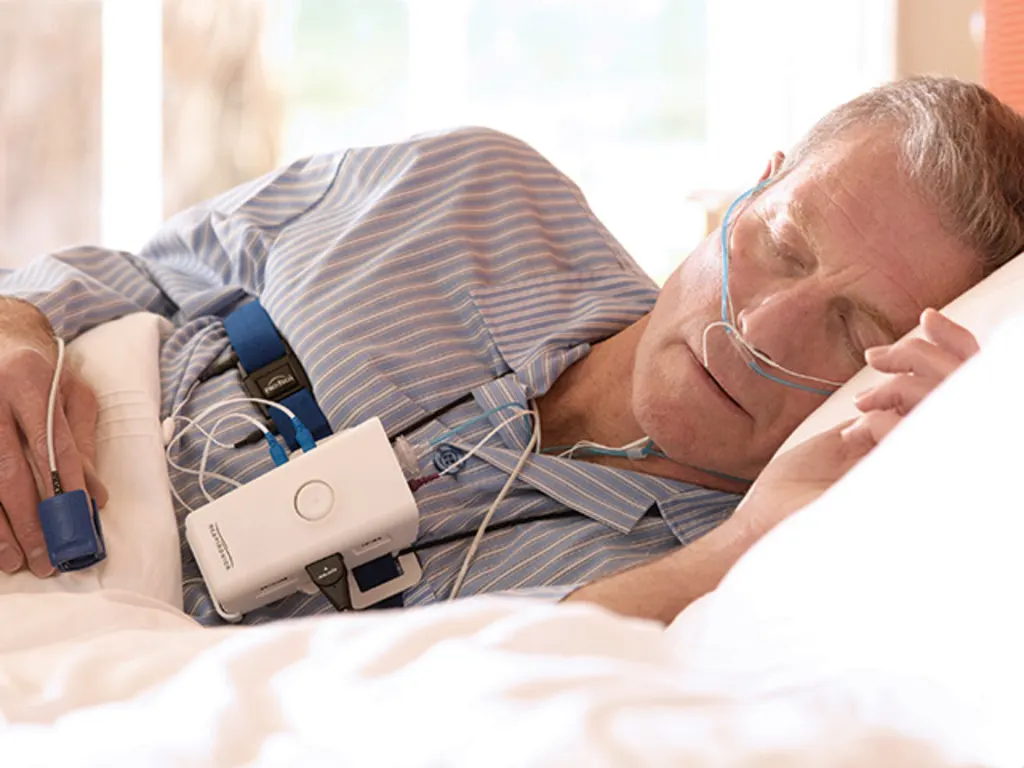
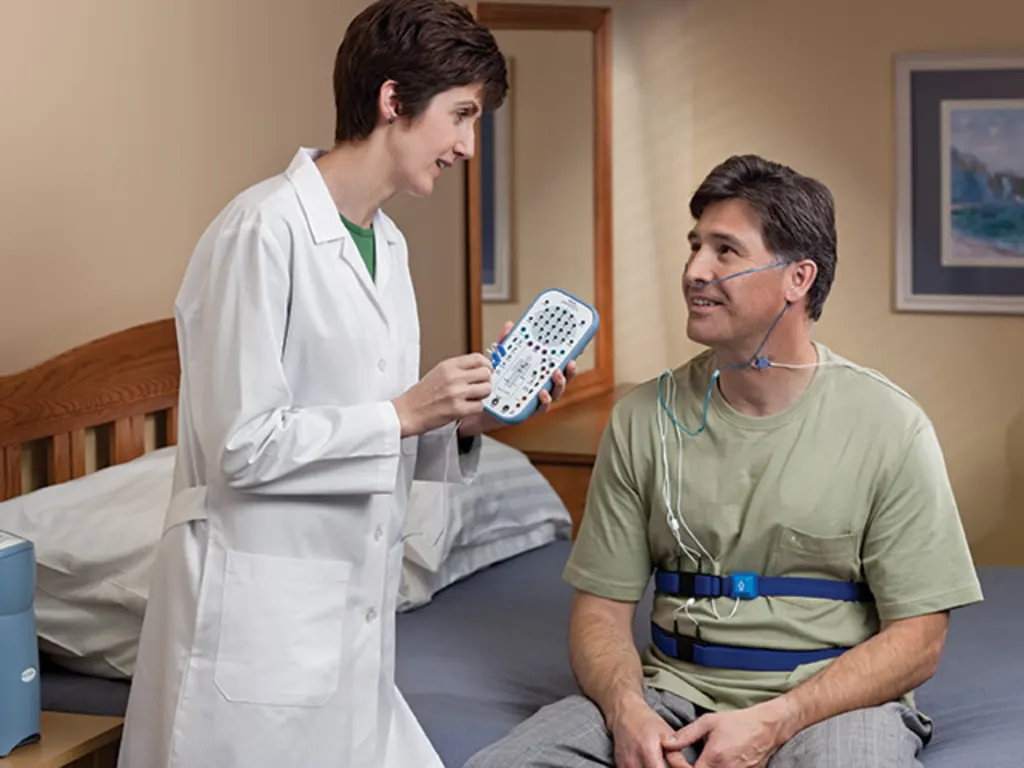
- Home sleep apnoea testing (HSAT): Usually focused on breathing and oxygen trends at home.
- In-lab polysomnography (PSG): A full overnight study in a sleep clinic or hospital with more sensors and technician oversight.
- Split night studies: Diagnosis and CPAP titration in one night if criteria are met.
- CPAP titration studies: Focused on finding pressure settings.
More sensors, staff time, and lab facilities generally raise sleep test cost.
Does Medicare cover sleep test cost?
Medicare may cover part or all of the fee for eligible sleep studies when they meet item requirements and are ordered appropriately. In practice, coverage depends on the type of test, the provider, and whether the service is bulk billed or charged with a gap.
Even when Medicare applies, patients should ask what is included, because reporting, equipment hire, or follow-up visits can still affect total sleep test cost.
How does private health insurance change sleep test cost?
Private health insurance can reduce sleep test cost, particularly for in-hospital or contracted lab studies, but it depends on the policy level and waiting periods. Extras cover may contribute if the insurer treats parts of the service as an outpatient diagnostic test.
They should confirm three things before booking: whether the provider is in network, what the expected gap is, and whether an excess applies.
How much does sleep test cost for a home sleep test?
A home test is often the lowest priced route for suspected obstructive sleep apnoea, but sleep test cost still varies by provider and inclusions. Some services bundle equipment, data analysis, and a clinician report, while others bill separately for the test and consultation.
Home studies are not ideal for every scenario. If symptoms are complex, the cheapest option can become expensive if it needs repeating or upgrading to an in-lab test.
How much does a sleep test cost for an in-lab study?
In-lab studies usually cost more because of the facility, overnight staffing, and the more detailed monitoring involved. For patients with insomnia, In-lab studies usually have higher costs because they involve specialised facilities, overnight staff, and more detailed monitoring. For people experiencing insomnia, unusual movements during sleep, suspected parasomnias, narcolepsy symptoms, or complex medical concerns, an overnight laboratory study may be the most suitable clinical option despite the higher sleep test cost. Exploring sleep testing options Australia can help patients understand which type of assessment may best match their needs.movements, suspected parasomnias, narcolepsy symptoms, or significant medical complexity, a lab study may be the most clinically appropriate option, despite the higher sleep test cost.
They should ask whether the quote includes the sleep physician review, scoring, and the follow-up appointment where results and treatment are explained.
What hidden or add-on fees can change sleep test cost?
Sleep test cost is not always a single line item. Common add-ons include:
- Initial specialist appointment fees
- Equipment delivery or set-up charges for home tests
- Reporting and interpretation fees
- Follow-up consultation fees
- Repeat testing if data quality is poor
- Hospital theatre-style facility fees for some admissions
A clear written estimate helps patients compare providers properly, rather than comparing base prices only.
Can a GP refer directly, and does that reduce sleep test cost?
A GP can often begin the assessment process by referring patients to a sleep physician, respiratory physician, or sleep clinic. Whether this approach lowers the overall sleep test cost depends on the provider’s model and referral requirements. Some clinics may offer home testing after a GP referral, while others require a specialist consultation before arranging a sleep study. Understanding the sleep clinic referral process can help patients prepare for the next steps.
If cost is a concern, they can ask the GP about local bulk billing or lower gap services, and whether a home test is clinically appropriate.
What factors make sleep test cost higher for some patients?
Several clinical and practical factors can increase sleep test cost. For example, complex symptoms may require a more comprehensive lab study instead of a basic home test. People with significant heart or lung disease, neuromuscular conditions, or suspected non-apnoea sleep disorders may also need additional monitoring.
Practical issues matter too. Rural access, urgent bookings, and repeating a failed study can all increase the overall bill.
Is it possible to reduce sleep test cost without compromising care?
Yes, many patients can reduce sleep test cost by asking the right questions early. Useful steps include:
- Requesting a written quote with all inclusions
- Checking Medicare eligibility and item coverage
- Comparing local providers, including public hospital pathways
- Confirming private health insurance gaps and excesses
- Choosing the correct test the first time, guided by symptoms
The cheapest test is not always the best value if it delays diagnosis.
What should patients ask a provider before booking a sleep study?
Before they commit, patients and carers can ask:
- What is the total sleep test cost including consultations, reporting, and follow-up?
- Is any part bulk billed, and what is the expected gap?
- What happens if the study fails or is inconclusive?
- Who reads the study, and when will results be discussed?
- If sleep apnoea is confirmed, what is the next step and likely cost?
Clear answers help them avoid surprises and plan for treatment.
How does treatment after the test affect overall sleep related costs?
A sleep study is often just the start. If obstructive sleep apnoea is diagnosed, costs may include CPAP hire or purchase, masks, follow-up appointments, and ongoing replacement supplies. Some patients will also need dental appliances, weight management support, or ENT review.
Understanding likely next steps helps patients interpret sleep test cost in context, not as a standalone expense.
What is the simplest way to estimate sleep test cost for their situation?
The most reliable approach is to match symptoms with the most suitable test type before requesting an itemised quote from a trusted Australian provider. Sleep test cost becomes easier to understand when patients know whether a home-based study is appropriate, what Medicare coverage may apply, and whether private health insurance can help reduce out-of-pocket expenses. Using a sleep study provider comparison guide can help patients and carers evaluate options based on cost, quality, and follow-up support.
If they are unsure, they can start with a GP appointment to clarify risk factors and the most appropriate referral pathway.
What should they do next if they suspect a sleep disorder?
They should document symptoms such as snoring, witnessed pauses, insomnia patterns, morning headaches, and daytime sleepiness, then take that summary to a GP. From there, the GP can advise on referrals and likely sleep test cost options in their area.
If there are red flags like falling asleep while driving, severe daytime sleepiness, or significant breathing pauses, they should seek prompt medical assessment.