
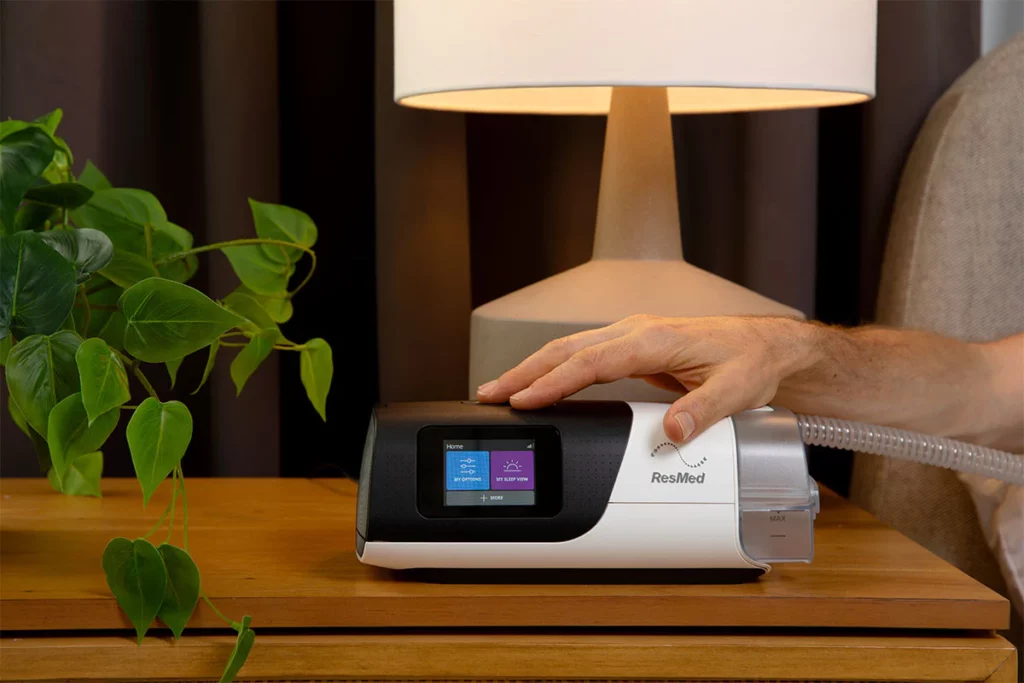
This guide breaks down what they should realistically expect to pay, and where the hidden costs usually sit.
What does a CPAP machine typically cost in 2026?
In 2026, most new CPAP machines generally land in the $400 to $1,200 range when purchased outright. Basic fixed-pressure CPAPs tend to sit at the lower end, while newer auto-adjusting models (APAP) and higher-end devices sit higher. For users seeking dependable sleep therapy equipment with advanced comfort features and trusted performance, check out more about premium CPAP machine options available from leading brands in Australia.
If they see prices far below that, it is often older inventory, limited warranties, missing accessories, or a used/refurbished unit.
Why do CPAP prices vary so much between models?
Prices vary because the “machine” is not the same product across brands and tiers. Higher-cost devices typically include quieter motors, better comfort algorithms, advanced event detection, cellular or Wi-Fi reporting, and more robust humidification options.
They are also paying for reliability, warranty coverage, and supply chain consistency. Two machines can both treat sleep apnea, but feel very different night to night.
How much should they budget for the full CPAP setup?
A realistic starter setup often costs more than the machine alone. Many first-time buyers need a mask, tubing, filters, and a humidifier (sometimes built in).
A common total upfront budget is $650 to $1,600, depending on the device and mask style. People who need a specialty mask, heated tubing, or multiple mask trials often end up toward the higher end.
What do CPAP masks and accessories cost in 2026?
Masks are frequently the biggest “surprise” cost. Most people should expect $80 to $200 for a new mask system, with replacement cushions and parts adding ongoing expenses.
Typical accessory pricing often looks like this:
- Tubing: $10 to $50 (heated tubes cost more)
- Filters: $5 to $30 (packs vary)
- Water chamber: $20 to $60
- Chin strap or comfort items: $10 to $40
Costs depend on brand compatibility and how often replacements are needed.
What is the monthly cost of owning and maintaining a CPAP?
Ongoing costs are mostly replacement parts, not electricity. Many users spend roughly $15 to $60 per month on average when costs are spread out over a year, depending on replacement frequency and whether they stock backups.
Electricity is usually minimal. The bigger driver is how often they replace cushions, filters, and water chambers to keep therapy comfortable and hygienic.
Is it cheaper to rent a CPAP through insurance?
It can be, but it depends on their plan and compliance rules. Many insurance setups use a rent-to-own model where they pay a monthly amount for several months before ownership transfers.
For some people, rental reduces upfront costs and includes support. For others, copays plus required visits can cost more than a clean cash purchase, especially if their deductible is high.
How do prescriptions and sleep tests affect the total cost?
They should plan for diagnosis-related costs if they are not already tested. A prescription is required for most new CPAP purchases, and testing can be the expensive part if insurance coverage is limited. You may like to visit https://www.privatehealth.gov.au/health_insurance/what_is_covered/privatehealth.htm to learn more about what is covered by private health insurance?
Costs vary widely based on location and coverage, but the key point is this: the “CPAP machine cost” often excludes the clinical steps needed to legally obtain and properly set up therapy.
Can they save money by buying CPAP online?
Yes, online pricing is often lower than some in-person channels, especially during promotions. Online sellers also make it easier to compare models, bundles, and warranty terms.
They should still verify that the seller is reputable, that the machine is new (or clearly labeled refurbished), and that the return policy covers mask fit issues. Mask comfort is a common reason people waste money.
Are used or refurbished CPAP machines worth it in 2026?
They can be, but only if they are sourced carefully. A refurbished unit can reduce the upfront price significantly, but warranty length, prior hours of use, and sanitization standards matter.
They should avoid devices with unclear provenance, missing serial information, or no support. A cheap machine becomes expensive if it fails early or does not support the mask and comfort settings they need.
What should they expect to pay for premium features like APAP or heated tubing?
Premium comfort features add cost, but they can also reduce drop-off and improve adherence. APAP models and comfort upgrades commonly push pricing toward the top of the typical range.
If they are sensitive to dryness, congestion, or pressure changes, paying more for humidification, heated tubing, and better algorithms can be cheaper than cycling through masks and add-ons later.
What is a realistic CPAP cost expectation for 2026?
Most people should expect $650 to $1,600 upfront for a solid, complete setup, plus ongoing replacement costs that average out to $15 to $60 per month. The lowest-cost path is usually a careful cash purchase with a well-chosen mask, while the lowest-upfront path is often insurance rental.
The smartest expectation is not a single number. It is a budget that includes the machine, mask fit, and the supplies that keep therapy comfortable long-term.
More to Read : EverFlo Oxygen Concentrator: Is It Worth the Investment?