
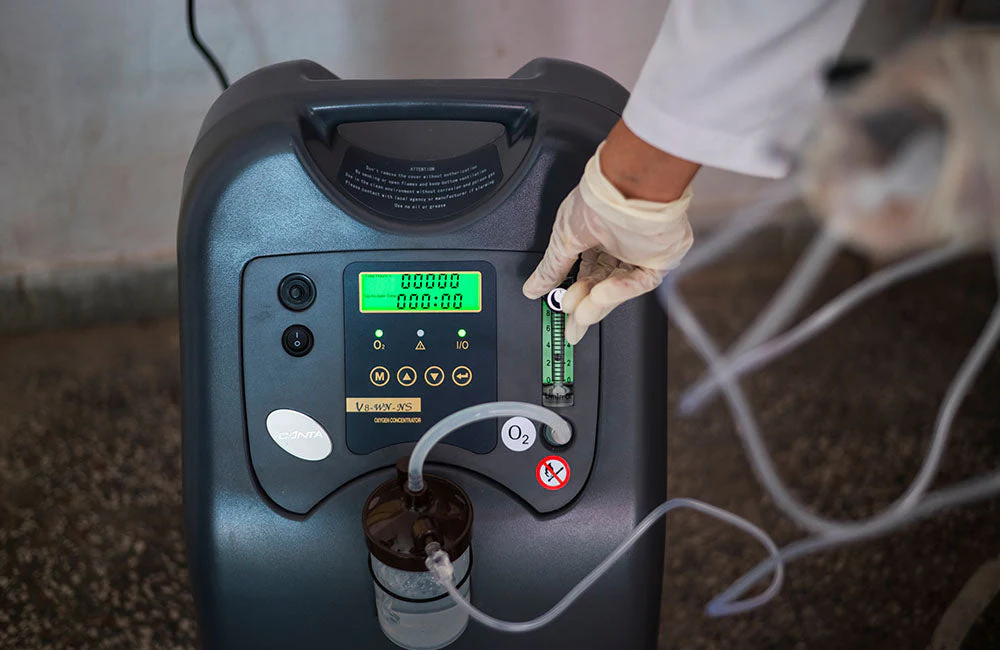
This review looks at who the EverFlo tends to suit, what it does well, where it can fall short, and how to decide if it is worth the investment for their situation.
What is the EverFlo Oxygen Concentrator, and who is it for?
The EverFlo is a stationary home oxygen concentrator designed for people who need supplemental oxygen at home through a nasal cannula. It is typically used by individuals with conditions such as COPD, pulmonary fibrosis, or other respiratory disorders, based on a clinician’s prescription. For those looking for a reliable and energy-efficient home oxygen therapy solution, https://store.airliquidehealthcare.com.au/products/philips-everflo is a popular choice in Australia due to its lightweight design, low maintenance requirements, and quiet operation for everyday home use.
It is best suited to people who need oxygen primarily in one location, such as a bedroom or living area, rather than those who need true portability.
What benefits do they usually get from the EverFlo day to day?
Most buyers choose the EverFlo for simplicity and consistency. It is designed to run for long periods, and many users value not having to coordinate oxygen tank deliveries or refills for regular at-home use.
Its smaller footprint compared with many older stationary concentrators can also make it easier to place in tighter rooms, and the straightforward controls reduce the learning curve for new users.
What are the key features they should actually care about?
The features that matter most are the ones that affect therapy quality and daily comfort. For many households, those include the prescribed flow range, stable oxygen delivery, noise level, power consumption, filter maintenance, and service support.
They should also care about how easily the unit fits into their space, whether replacement filters are easy to source, and whether a reputable local provider can service it if anything goes wrong.
How does it perform on oxygen delivery and flow settings?
The EverFlo is generally used for continuous flow oxygen therapy within the flow range prescribed by a clinician. For someone prescribed low to moderate continuous flow for home use, this is often exactly what they need.
If they require higher flow rates, special delivery modes, or specific oxygen concentration guarantees at extreme settings, they should confirm the unit’s capabilities with the seller and their clinician before buying.
Is it quiet enough for sleep, calls, and shared spaces?
Noise is one of the biggest quality-of-life factors with stationary concentrators. The EverFlo is commonly considered relatively quiet for its category, which is why it is frequently recommended for bedroom use.
That said, “quiet enough” depends on sensitivity and room layout. If they are a light sleeper or share a room, they should plan placement carefully, keep the unit unobstructed for airflow, and consider a short test run before committing.
How much maintenance will they realistically have to do?
Maintenance is usually manageable, but it is not optional. Most owners should expect routine filter checks and cleaning, keeping vents clear, and following any service intervals recommended by the supplier.
They should also plan for periodic inspection and potential replacement of consumables like filters. A concentrator that is ignored can become noisier, run hotter, and deliver less consistent performance over time. Check out more about CPAP machine costs and what you should expect to pay in 2026.
What are the biggest downsides or deal-breakers?
The main limitation is that it is not portable. If they need oxygen outside the home, they will likely need a separate portable oxygen concentrator or cylinders for errands, appointments, and travel.
Another potential deal-breaker is power dependence. Like all concentrators, it needs electricity, so they should have a backup plan for outages. Finally, if they are expecting whisper-quiet operation or ultra-light weight, they may be disappointed, even if it is quieter and lighter than many older home units.

How does it compare with renting, buying used, or choosing a different model?
Buying can make sense when they expect long-term use and want predictable costs. Renting can be smarter if they are in a short-term recovery window, still dialing in a prescription, or unsure whether a stationary concentrator is the best fit.
Buying used may reduce upfront cost, but it increases risk. They should verify hours of use, service history, and return policies, and ensure they can still get parts and support. If they need portability, a stationary unit like EverFlo is not a substitute for a portable oxygen concentrator, even if it is excellent at home.
Is it worth the investment for them?
It is often worth it for someone who needs reliable continuous-flow oxygen at home, values a compact stationary unit, and has a clear plan for power backup and outside-the-home oxygen. In that lane, the EverFlo’s reputation and ease of ownership are strong selling points.
It may not be worth it if their lifestyle requires portability, if their oxygen needs exceed what a typical home concentrator setup can provide, or if renting better matches their medical timeline. The smartest decision is the one aligned with their prescription, their daily routine, and the support options available locally.