
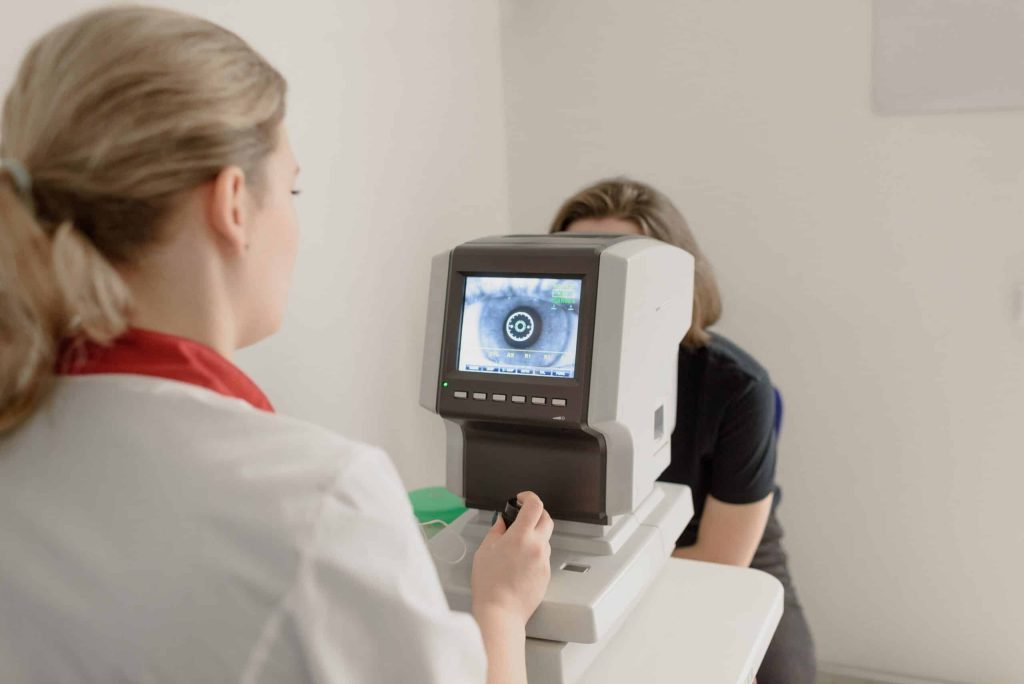
Wondering if laser eye surgery is actually on the table for them? A proper clinic consultation is less about selling surgery and more about proving it is safe, stable, and likely to deliver the vision outcome they want. That is exactly what a LASIK candidacy assessment is designed to do.
The key thing to know is that LASIK candidacy is not decided by one number. It is a checklist of eye health, prescription stability, corneal measurements, lifestyle factors, and realistic expectations.
What is a LASIK candidacy assessment checking for overall?
It is checking whether their eyes can be treated safely and whether the result is likely to be predictable. In plain terms, a LASIK candidacy review looks for enough corneal tissue, the right corneal shape, a treatable prescription, and healthy eyes.
Clinics typically combine scans, refraction testing, and a medical history review to confirm LASIK candidacy. If something does not fit, they may suggest another option like PRK or ICL, or advise waiting.
Is their prescription stable enough for treatment?

They need a stable prescription before surgery is considered. If their vision is still changing year on year, the laser correction can be accurate on the day but outdated later.
A surgeon will usually compare old prescriptions and ask about recent changes to confirm LASIK candidacy. Stability matters for both short-sightedness and long-sightedness, and it is part of making the outcome last.
Are their corneas thick and strong enough?
Corneal thickness is one of the biggest safety checks. LASIK reshapes the cornea, so there must be enough tissue to do that while leaving the cornea structurally stable.
This is measured with pachymetry and corneal mapping. If their cornea is thin, the clinic may rule out LASIK candidacy and discuss surface laser options or lens-based procedures.
Does corneal shape rule out keratoconus or irregularity?
Topography and tomography scans map the cornea’s curvature and internal structure. The goal is to spot keratoconus, early ectasia risk, or irregular astigmatism that could make LASIK unsafe.
If scans show suspicious patterns, LASIK candidacy may be declined even if their vision seems straightforward. This is a critical part of preventing complications and protecting long-term eye health.

Is their tear film healthy enough to handle dryness?
Dry eye is common, and LASIK can temporarily worsen it. That is why the assessment checks tear quality, eyelid health, and symptoms like burning, gritty feeling, or fluctuating vision.
If dryness is significant, a surgeon may treat the surface first and reassess LASIK candidacy later. In some cases, they may recommend a different procedure that better suits their eye surface.
Is their prescription within treatable ranges for LASIK?
The consult confirms how much short-sightedness, long-sightedness, and astigmatism can be corrected safely based on their scans and corneal thickness. It is not just about the numbers on their script, but how those numbers interact with their anatomy.
If the correction required is too high, LASIK candidacy can be affected because removing too much tissue increases risk. A clinic might discuss staged approaches or alternative procedures depending on their goals.
Do their health history and lifestyle create extra risk?
The assessment reviews medications, autoimmune conditions, diabetes control, pregnancy or breastfeeding status, and past eye injuries. These can affect healing and result quality.
Lifestyle also matters. For example, contact sports, certain job environments, or frequent dry conditions can influence LASIK candidacy and the best procedure choice. The safest plan is the one that fits their eyes and their day-to-day life.
What should they do next if they are unsure?
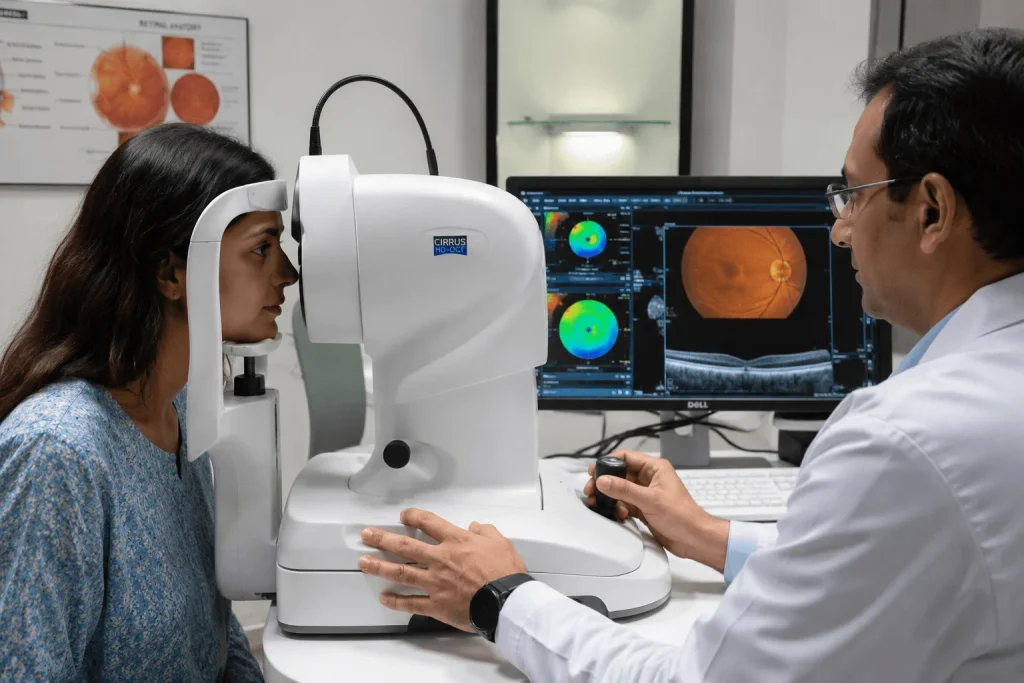
They should book a consultation that includes detailed corneal imaging and a discussion of alternatives, not just a quick vision test. A high-quality clinic will explain why they are a good fit or why they are not, and what the next best option is.
Most importantly, they should treat LASIK candidacy as a medical decision, not a discount decision. A careful assessment is what protects their vision long term.
FAQs (Frequently Asked Questions)
What does a LASIK candidacy assessment evaluate?
A LASIK candidacy assessment evaluates whether your eyes can be safely treated and if the results are likely to be predictable. It checks for sufficient corneal tissue, appropriate corneal shape, a treatable prescription, healthy eyes, and considers lifestyle factors and realistic expectations.
Why is prescription stability important before LASIK surgery?
Prescription stability is crucial because if your vision is still changing year on year, the laser correction performed may be accurate on the day but become outdated later. Surgeons compare past prescriptions and recent changes to ensure your prescription is stable for lasting results.
How does corneal thickness affect LASIK eligibility?
Corneal thickness is a key safety check since LASIK reshapes the cornea. There must be enough tissue to reshape while keeping the cornea structurally stable. Thin corneas may rule out LASIK candidacy, with alternative treatments like surface laser procedures or lens-based options considered instead.
What role does corneal shape play in determining LASIK suitability?
Corneal shape is assessed through topography and tomography scans to detect conditions like keratoconus or irregular astigmatism that could make LASIK unsafe. Identifying these issues helps prevent complications and protects long-term eye health by ruling out unsuitable candidates.
How does dry eye condition impact LASIK candidacy?
Dry eye is common and can worsen temporarily after LASIK. The assessment checks tear quality, eyelid health, and symptoms such as burning or fluctuating vision. Significant dryness may require treatment before considering surgery or opting for alternative procedures better suited to your eye surface.
What factors beyond eye measurements influence LASIK candidacy?
Health history including medications, autoimmune conditions, diabetes control, pregnancy or breastfeeding status, and previous eye injuries are reviewed as they affect healing and outcomes. Lifestyle factors like contact sports or exposure to dry environments also influence procedure choice to ensure safety and effectiveness.
Related – LASIK Eye Surgery Recovery Week by Week