

LASIK Eye Surgery Recovery Week by Week can feel surprisingly fast for many people, but it still follows a fairly predictable healing pattern. This guide breaks down what they can usually expect, what to avoid, and when to call their clinician, without assuming everyone’s eyes heal the same way.
They should always follow their surgeon’s instructions first, especially if theirs differ from general advice. LASIK Eye Surgery Recovery Week by Week is also influenced by prescription strength, dry eye history, the flap’s condition, and how well they protect their eyes during the first month.
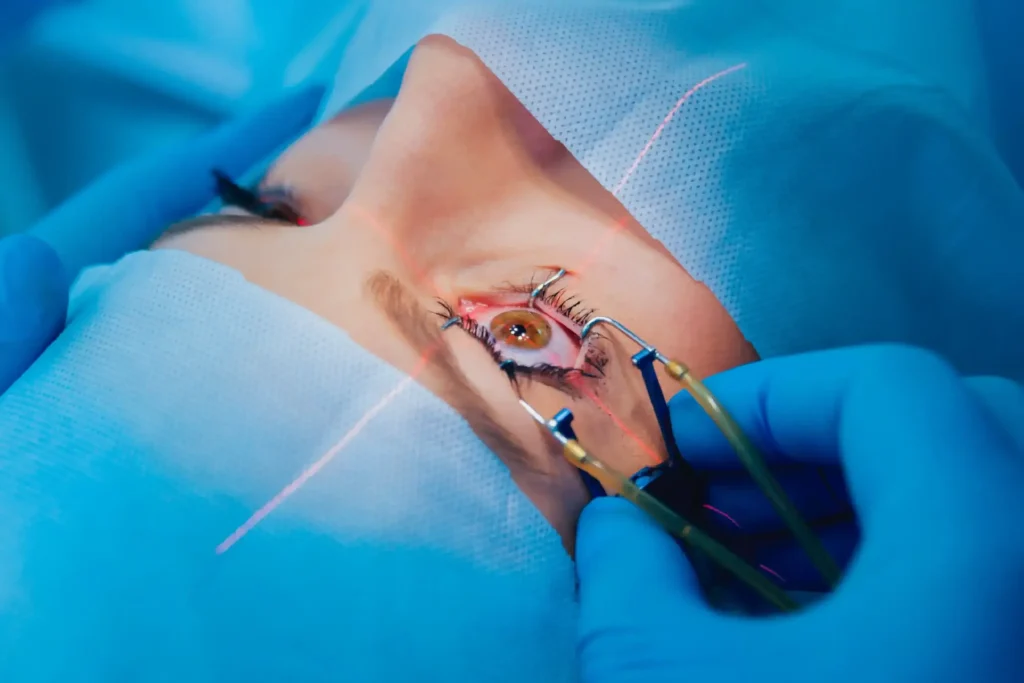
What happens in the first 24 hours after LASIK?
Most people notice watery eyes, light sensitivity, burning, or a gritty feeling within hours, and vision may be hazy or fluctuating. They often sleep soon after the procedure, and that rest can reduce discomfort and help the surface settle.
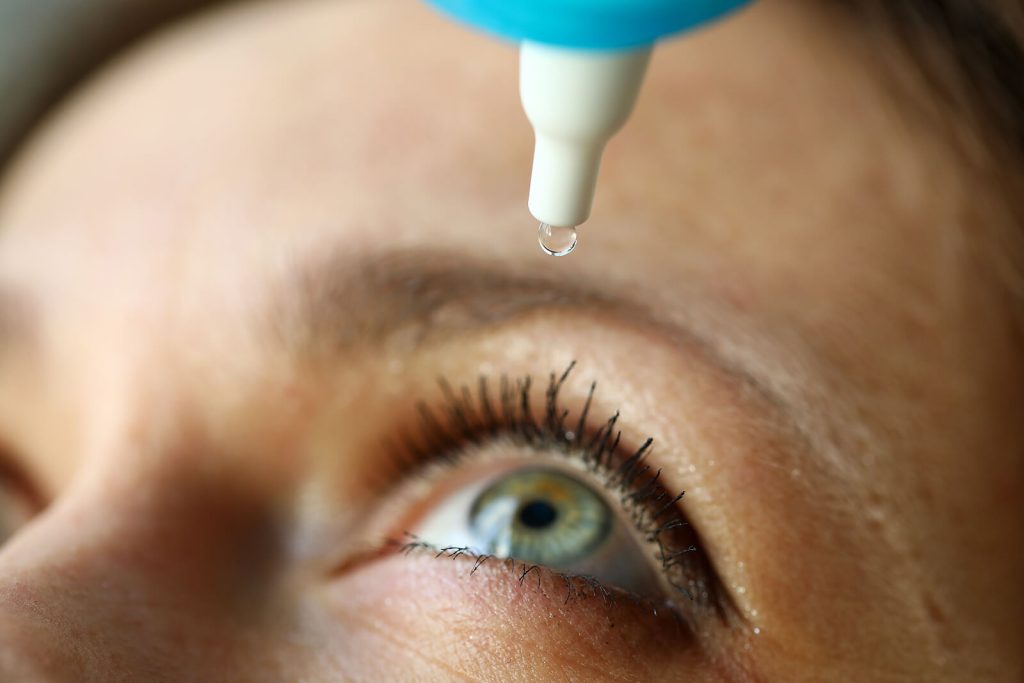
They’ll usually be given antibiotic and anti-inflammatory drops, plus lubricating drops. They should avoid rubbing their eyes, avoid getting water in them, and wear the provided shields when sleeping. In LASIK Eye Surgery Recovery Week by Week, the first day is about protection and keeping the surface calm.
What should they expect during days 2 to 3?
Vision often sharpens quickly, but it can still fluctuate through the day, especially with screen time or dryness. They may notice halos or glare at night, and their eyes can feel dry, tired, or mildly sore.
Most clinicians allow a return to desk work after a day or two if they feel comfortable, but they should take frequent breaks and use preservative-free lubricating drops. LASIK Eye Surgery Recovery Week by Week commonly includes a “looks great, feels dry” phase early on. “
What changes during week 1?
By the end of week 1, many people feel “mostly normal” in daylight, though night driving can still be challenging for some. Dryness often peaks around this time, so they may need drops more often than expected.
They should keep avoiding eye rubbing, swimming, hot tubs, and dusty environments. Eye make-up is usually discouraged for at least a week, sometimes longer depending on the clinic. LASIK Eye Surgery Recovery Week by Week tends to show rapid visual gains in week 1, with comfort catching up more gradually.
How does week 2 recovery usually feel?
Week 2 often brings more stable daytime vision, and the eyes may feel less scratchy. That said, dryness can linger, particularly in air-conditioned spaces or windy conditions.
They can usually resume most normal routines, but they should still be cautious with contact sports or activities where an eye knock is possible. They should also keep sunglasses handy outdoors, since light sensitivity can persist. In LASIK Eye Surgery Recovery Week by Week, week 2 is often when they notice fewer fluctuations and less irritation.
What is typical in week 3?
Week 3 is often about fine-tuning. Their vision may seem excellent one day and slightly off the next, especially late in the day or after long stretches on screens.
Dry eye symptoms may still be present, and some people need lubricating drops for weeks or months. If they were given a tapering schedule for anti-inflammatory drops, they should stick to it rather than stopping early. LASIK Eye Surgery Recovery Week by Week usually becomes less dramatic by week 3, but it’s not always fully settled yet.

What should they expect in week 4?
By week 4, many people have stable functional vision for most tasks, and night symptoms often improve. Some still notice halos, starbursts, or mild glare, particularly with larger pupils or higher original prescriptions.
Follow-up appointments around this time help confirm healing and vision quality. If dryness remains significant, their clinician may recommend gels at night, punctal plugs, or other dry-eye treatments. In LASIK Eye Surgery Recovery Week by Week, week 4 is commonly where “good” becomes “consistent”.
How does month 2 to 3 healing usually progress?
Months 2 and 3 are typically when subtle issues continue to improve, including fluctuating focus, night glare, and eye fatigue. Dryness often improves gradually, but some people need a longer plan if they had dry eye beforehand.
They should keep up habits that support ocular comfort: breaks from screens, lubrication as advised, and avoiding eye rubbing. LASIK Eye Surgery Recovery Week by Week matters less here, as recovery becomes more month-based and personalised.
When can they safely drive again?
Many people can drive within 24 to 48 hours if their vision meets legal standards and they feel comfortable. However, night driving may remain difficult for a short period due to glare or halos.
They should only drive once their clinician has cleared them, and they should test themselves in low-risk conditions first, such as short daytime trips. In LASIK Eye Surgery Recovery Week by Week, driving is often one of the first practical milestones, but it should never be rushed.
When can they return to work and screens?
Most desk workers return within a couple of days, sometimes sooner, depending on comfort and dryness. The main challenge is that screens reduce blink rate, which can worsen dry eye and blur.
They can use the 20-20-20 rule and lubricating drops as recommended. If their job involves dust, fumes, or risk of impact, they may need a longer break or added eye protection. LASIK Eye Surgery Recovery Week by Week often looks quick on paper, but screen habits can strongly shape how smooth it feels.
What activities should they avoid, and for how long?
They’re usually advised to avoid swimming, spas, and hot tubs for at least 2 weeks, sometimes longer. High-contact sports and any activity that could lead to an eye hit may be restricted for several weeks.
They should also avoid eye make-up for at least a week, and be cautious with creams near the eyes. Water, sweat, and dirty hands increase infection risk early on. LASIK Eye Surgery Recovery Week by Week is smoother when they treat the first fortnight as a “no contamination” window.
What symptoms are normal, and what is a red flag?
Mild discomfort, dryness, light sensitivity, and fluctuating vision are common early on. Halos or glare at night can also be normal during the first few weeks.
They should contact their clinic urgently if they have severe pain, rapidly worsening vision, increasing redness, thick discharge, or a sudden change in one eye. These symptoms can indicate infection or flap issues that need prompt care. LASIK Eye Surgery Recovery Week by Week is usually uncomplicated, but red flags should be treated as time-sensitive.
How can they support faster, smoother healing?
They can support healing by using drops exactly as prescribed and keeping hands away from their eyes. Sleeping with shields, wearing sunglasses outdoors, and avoiding dusty or smoky places also helps.
Hydration, consistent sleep, and reducing screen strain can improve comfort. If theirs are dry, they should use preservative-free lubricants and ask about additional treatments rather than pushing through. LASIK Eye Surgery Recovery Week by Week is often easiest for people who follow a routine and protect the flap early.
What follow-ups are usually needed after LASIK?
Follow-ups often happen within 24 to 48 hours, then at 1 to 2 weeks, and again at 1 to 3 months, though schedules vary. These checks confirm flap position, healing, and vision outcomes.
They should attend even if they feel fine, since some issues are easier to address early. If they still have symptoms like strong night glare or persistent dryness, they should raise it at follow-ups rather than waiting it out. LASIK Eye Surgery Recovery Week by Week is best tracked with clinician-guided milestones, not guesswork.
FAQs (Frequently Asked Questions)
What should I expect in the first 24 hours after LASIK eye surgery?
In the first 24 hours after LASIK, you may experience watery eyes, light sensitivity, burning, or a gritty feeling. Vision might be hazy or fluctuate. It’s common to sleep soon after the procedure to reduce discomfort and help the eye surface settle. You’ll typically use prescribed antibiotic, anti-inflammatory, and lubricating drops. Avoid rubbing your eyes, getting water in them, and wear the provided eye shields when sleeping to protect your eyes.
How does vision and comfort change during days 2 to 3 post-LASIK?
During days 2 to 3, vision often sharpens but can still fluctuate throughout the day, especially with screen use or dryness. You might notice halos or glare at night and feel dry or mildly sore eyes. Many clinicians allow a return to desk work if comfortable, recommending frequent breaks and preservative-free lubricating drops to manage dryness.
What are typical recovery milestones during the first week after LASIK?
By the end of week 1, many people feel mostly normal in daylight though night driving may remain challenging. Dryness often peaks around this time, requiring more frequent use of lubricating drops. Avoid rubbing eyes, swimming, hot tubs, dusty environments, and eye make-up for at least a week or as advised by your clinic. Visual improvements are rapid in week 1 while comfort improves gradually.
When can I safely resume driving and work after LASIK surgery?
Many patients can drive within 24 to 48 hours if their vision meets legal standards and they feel comfortable; however, night driving may still be difficult due to glare or halos. Always get clearance from your clinician before driving and start with low-risk daytime trips. Most desk workers return to work within a couple of days depending on comfort and dryness levels. Using the 20-20-20 rule and lubricating drops helps manage screen-related dryness.
What activities should be avoided following LASIK surgery and for how long?
It’s advised to avoid swimming pools, spas, hot tubs for at least two weeks post-surgery. High-contact sports or any activity risking an eye injury should be avoided for several weeks. Eye make-up should be avoided for at least one week. Be cautious with creams near the eyes and avoid water, sweat or dirty hands touching your eyes early on to reduce infection risk.
How does healing progress during weeks 2 to 4 after LASIK?
In weeks 2 to 4, daytime vision usually stabilises with less irritation though dryness may persist especially in air-conditioned or windy environments. You can generally resume most normal routines but should remain cautious with contact sports and protect your eyes outdoors with sunglasses due to lingering light sensitivity. Follow-up appointments around week 4 confirm healing progress; some may still experience mild glare or halos which typically improve over time.
More to read – Addiction Therapist Sydney Options Outside the Public System